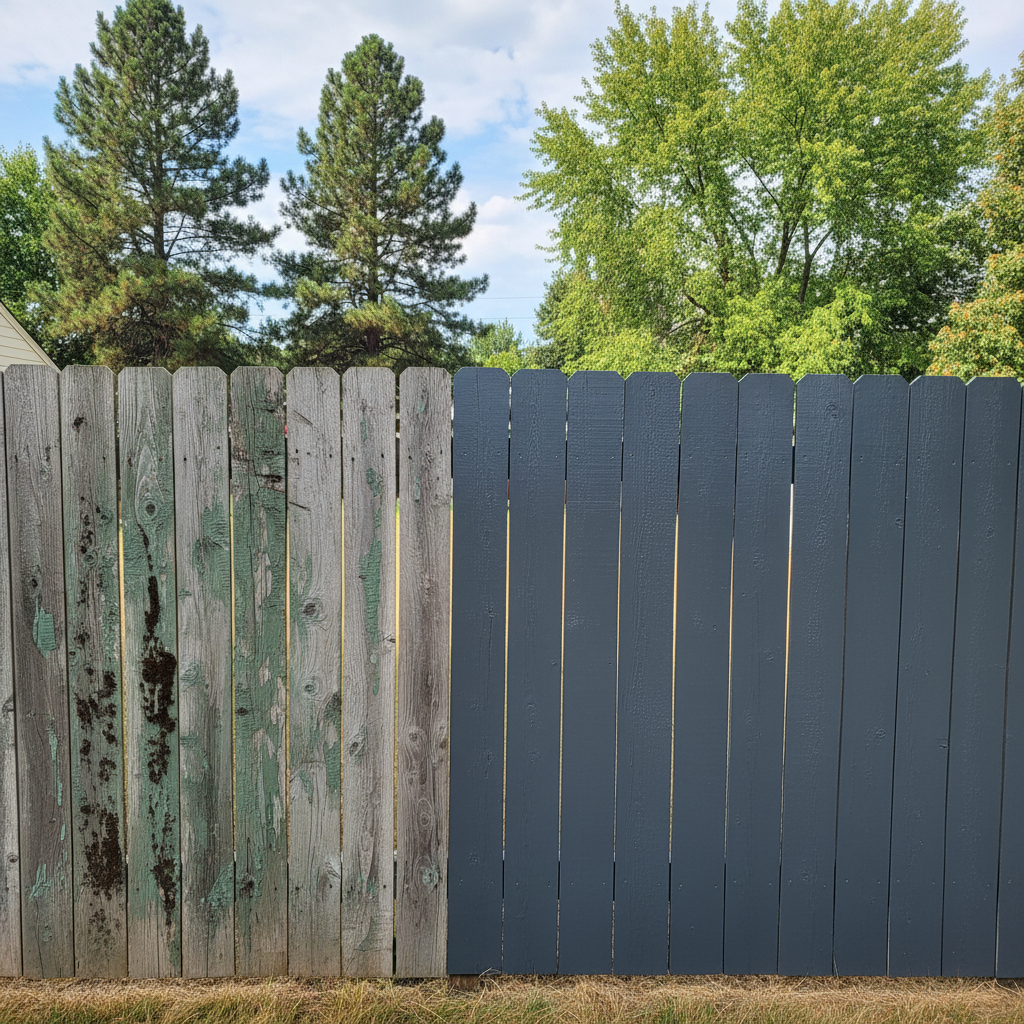
Alright, let's talk fences. You've got one, it needs paint, and you're probably wondering if you should just grab a sprayer or go old school with a brush and roller. It's a common question I get asked a lot here in Spokane, and there are some real differences you need to understand before you dive in.
The Spray Method: Fast, But Is It Best?
Spraying a fence is definitely the quicker option, no doubt about it. If you've got a big fence, especially one with a lot of pickets or intricate details, a sprayer can knock it out in a fraction of the time it would take with a brush. That's a huge plus for homeowners who are short on time or for painting crews trying to be efficient.
But here's the kicker: speed often comes with trade-offs. The biggest one with spraying is overspray. Unless you're working on a property with absolutely nothing around – no plants, no neighbor's car, no house siding – you're going to spend a ton of time masking everything off. And even then, a gust of wind can carry paint mist further than you'd think. I've seen plenty of DIY spray jobs where the neighbor's rose bushes ended up with a new coat of fence stain. It's a mess, and it can be costly to fix.
Another thing with spraying is achieving good adhesion. When you spray, the paint sits on the surface. It doesn't get pushed into the wood grain quite the same way a brush does. This can impact how well the paint bonds, especially on older, weathered wood. You'll often need multiple coats to get good coverage, and even then, the finish can sometimes look a bit thinner than a brushed application.
Brush and Roll: The Tried-and-True Approach
Now, going with a brush and roller? Yeah, it's slower. There's no getting around that. You're physically applying the paint, working it into every nook and cranny. For a big fence, especially if you're doing it yourself, it can feel like a marathon.
However, what you lose in speed, you gain in control and quality. When you brush or roll, you're forcing the paint into the wood fibers. This creates a much stronger bond, which translates directly to better durability. The paint adheres better, meaning it's less likely to peel, chip, or flake down the road. This is especially important for fences in our Spokane climate. We get hot summers, freezing winters, and plenty of moisture. That constant expansion and contraction of the wood really tests a paint job, and a well-adhered coat from brushing holds up significantly better.
You also get a thicker, more uniform coat. This means better coverage, often in fewer applications, and a richer, more vibrant color. Plus, you don't have to worry about overspray ruining your landscaping or your neighbor's property. You can be much more precise around delicate areas, which is a big deal if you've got established garden beds right up against your fence, common in older neighborhoods like the South Hill.
Cost, Durability, Maintenance, and Appearance
- Cost: Upfront, a sprayer might seem cheaper if you already own one or can rent one for a day. But if you factor in the cost of masking materials, potential cleanup for overspray, and the likelihood of needing more frequent repaints due to poorer adhesion, the brush and roll method often wins out in the long run. Labor-wise, spraying is faster, so if you're hiring Spokane House Painters, the labor cost might be lower initially, but again, consider the longevity.
- Durability: This is where brush and roll shines. The mechanical action of working the paint into the wood creates a superior bond. It stands up better to our harsh weather cycles – the intense sun, the snow, the rain. Sprayed paint, because it sits more on the surface, is more prone to early failure like peeling or blistering.
- Maintenance: A well-applied brush and roll job will last longer, meaning less frequent maintenance. You're not going to be repainting your fence every couple of years. When it does need a refresh, the surface will likely be in better condition for prep work. Sprayed fences might require more frequent touch-ups or even full repaints sooner.
- Appearance: A properly applied brush and roll finish generally looks richer and more substantial. You get a deeper, more even color. Sprayed finishes can sometimes look a bit thin or streaky if not done perfectly, and can highlight imperfections in the wood rather than covering them.
My Recommendation for Spokane Homeowners
Look, I get the appeal of spraying. It's fast, and on paper, it sounds easy. But from years of experience painting fences all over Spokane, I'm going to tell you straight up: for durability, longevity, and a truly professional finish that stands up to our local conditions, brush and roll is the way to go.
Especially with our dry summers and wet, freezing winters, you need that paint to really dig into the wood. A sprayer just can't achieve that same level of adhesion. You'll save yourself headaches and money in the long run by investing the time and effort (or hiring a pro like us at Spokane House Painters) to do it right with brushes and rollers.
It's not the quickest path, but it's the one that gives you a fence you won't have to worry about for years to come. Your fence is a big part of your home's curb appeal and protection; treat it right.