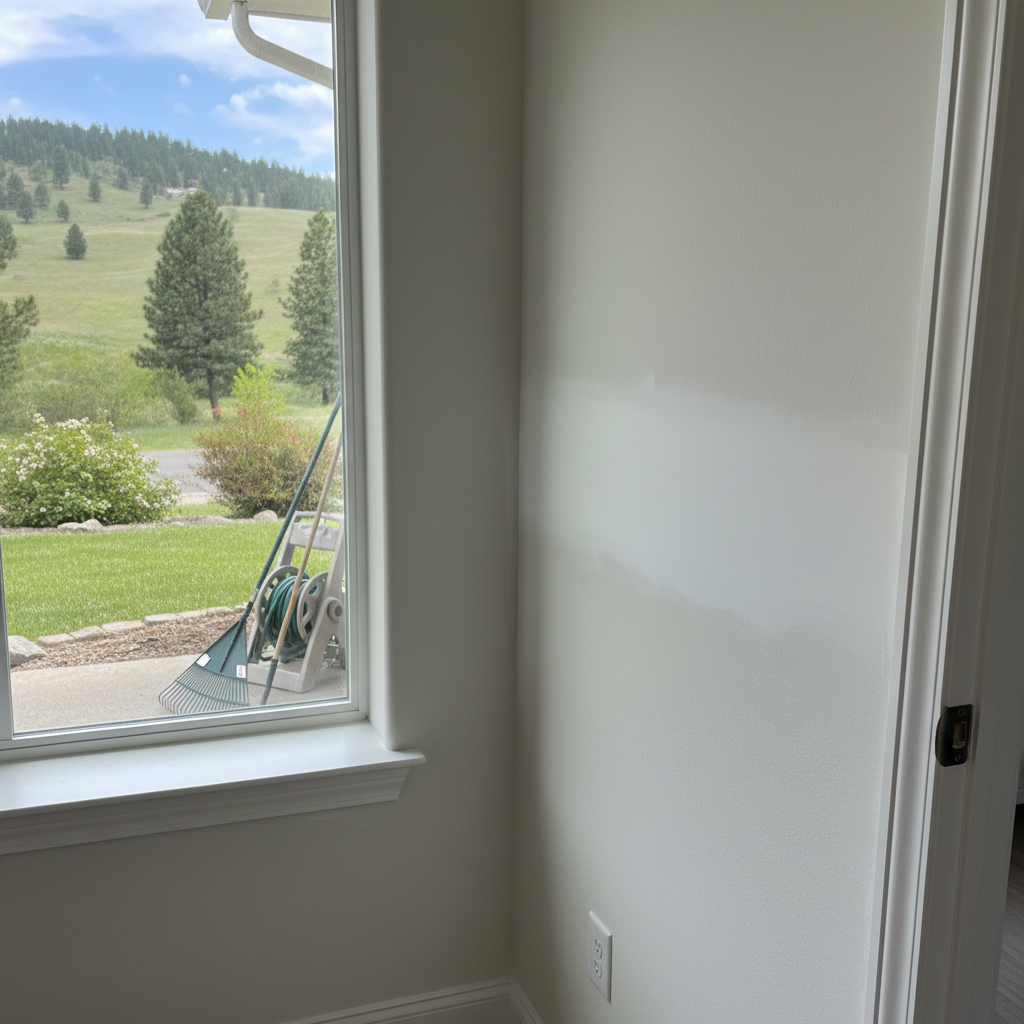
Your drywall and paint job aren't just for looks; they're a protective layer for your home. You've invested in them, so you want them to last, right? Here in Spokane, with our wild temperature swings and dry summers, you've got to be smart about maintenance. It's not rocket science, but ignoring it can lead to bigger headaches down the road. I've seen it too many times.
Extending the Life of Your Drywall and Paint
Once you've had a professional drywall repair or a fresh coat of paint applied, you want that investment to stick around. A lot of it comes down to common sense, but some things are specific to our climate.
- Control Humidity: This is huge, especially in bathrooms and kitchens. Excess moisture is paint's worst enemy. Use exhaust fans when showering or cooking. If you've got a damp basement, a dehumidifier can be a lifesaver. Our dry summers here in Spokane can also cause wood framing to shrink slightly, which can lead to hairline cracks in drywall, so maintaining consistent indoor humidity helps.
- Gentle Cleaning: For painted walls, a soft cloth with a mild, non-abrasive cleaner is usually all you need. Harsh chemicals or scrubbing too hard can dull the finish or even lift the paint. Think warm water with a tiny bit of dish soap.
- Protect High-Traffic Areas: In hallways, near doorframes, or around light switches, consider installing corner guards or using more durable paint finishes like semi-gloss, which stands up better to scuffs than flat paint.
- Mind Your Furniture: Don't push furniture directly against walls if you can help it. Over time, it'll scuff or dent the surface. Little felt pads on the back of picture frames or furniture legs can prevent marks.
Regular Maintenance: What You Should Be Doing
You don't need to inspect your walls with a magnifying glass every day, but a quick once-over now and then can catch small issues before they become big ones.
- Annual Walk-Through: Once a year, maybe in the spring after the snow melts, take a walk around your house, inside and out. Look for cracks, chips, or peeling paint. Pay extra attention to areas around windows and doors, and any spots where different materials meet.
- Dusting and Light Cleaning: Dust collects on walls, especially in corners and along baseboards. A quick wipe-down with a dry cloth or a vacuum attachment can keep things looking fresh and prevent grime buildup that's harder to clean later.
- Check for Water Stains: Any discoloration on your ceiling or walls, especially yellowish or brownish spots, is a red flag. It usually means a leak somewhere, and that's something you want to address immediately.
Warning Signs You Shouldn't Ignore
Some problems are more than just cosmetic. If you see these, it's time to pay attention.
- Cracks: Small hairline cracks are often just normal house settling. But if you see cracks that are wider than a credit card, or if they're running in jagged patterns from corners of doors and windows, that can indicate structural movement. Also, cracks that reappear shortly after being repaired are a sign something else is going on.
- Peeling or Bubbling Paint: This is almost always a sign of moisture. It could be from a leaky pipe behind the wall, condensation, or even exterior moisture seeping in. Don't just paint over it; find the source of the moisture first.
- Soft Spots or Bulges: If you press on your drywall and it feels soft or spongy, or if you see a bulge, there's definitely water damage. This needs immediate attention to prevent mold growth and further structural damage.
- Mold or Mildew: Black, green, or fuzzy spots on your walls or ceiling aren't just ugly; they're a health hazard. They indicate persistent moisture and need to be dealt with professionally, especially if the area is large.
- Nail Pops: These are those little bumps where a nail or screw head pushes through the drywall compound. They're common as houses settle and wood framing expands and contracts. Usually, it's a simple fix, but if you see a lot of them, it's worth noting.
When to Call a Professional
Look, I'm all for DIY, but there are times when you really need to bring in someone who does this day in and day out. Don't be afraid to ask for help.
- Extensive Water Damage: If you've got large sections of drywall that are soft, bulging, or covered in mold, you're beyond a simple patch job. You need someone to assess the damage, fix the underlying issue, and properly repair and restore the area.
- Large Cracks or Structural Concerns: If those cracks are big, or if you suspect your house is settling unevenly, a professional can tell you if it's just cosmetic or something more serious. We can also correctly tape and mud those larger cracks so they don't just reappear next month.
- Lead Paint or Asbestos Concerns: If your home was built before 1978, there's a chance of lead paint. If it was built before the late 1980s, asbestos might be in the texture or joint compound. Disturbing these without proper precautions is dangerous. Get a pro to test and handle it safely.
- You Don't Have the Time or Tools: Let's be honest, drywall repair and painting can be messy and time-consuming. If your weekend is better spent hiking Dishman Hills or enjoying the Spokane River, or if you just don't have the right gear, that's what we're here for.
- You Want a Flawless Finish: There's a difference between a decent patch and a seamless repair that blends perfectly with the existing wall. Getting that smooth, professional finish, especially on a larger area, takes skill and experience. That's where Spokane House Painters comes in. We've got the know-how to make it look like nothing ever happened.
Taking care of your drywall and paint isn't just about aesthetics; it's about protecting your home's integrity. A little attention goes a long way in preventing bigger, more expensive problems down the line. Keep an eye out, address issues quickly, and don't hesitate to call in the cavalry when you need it.