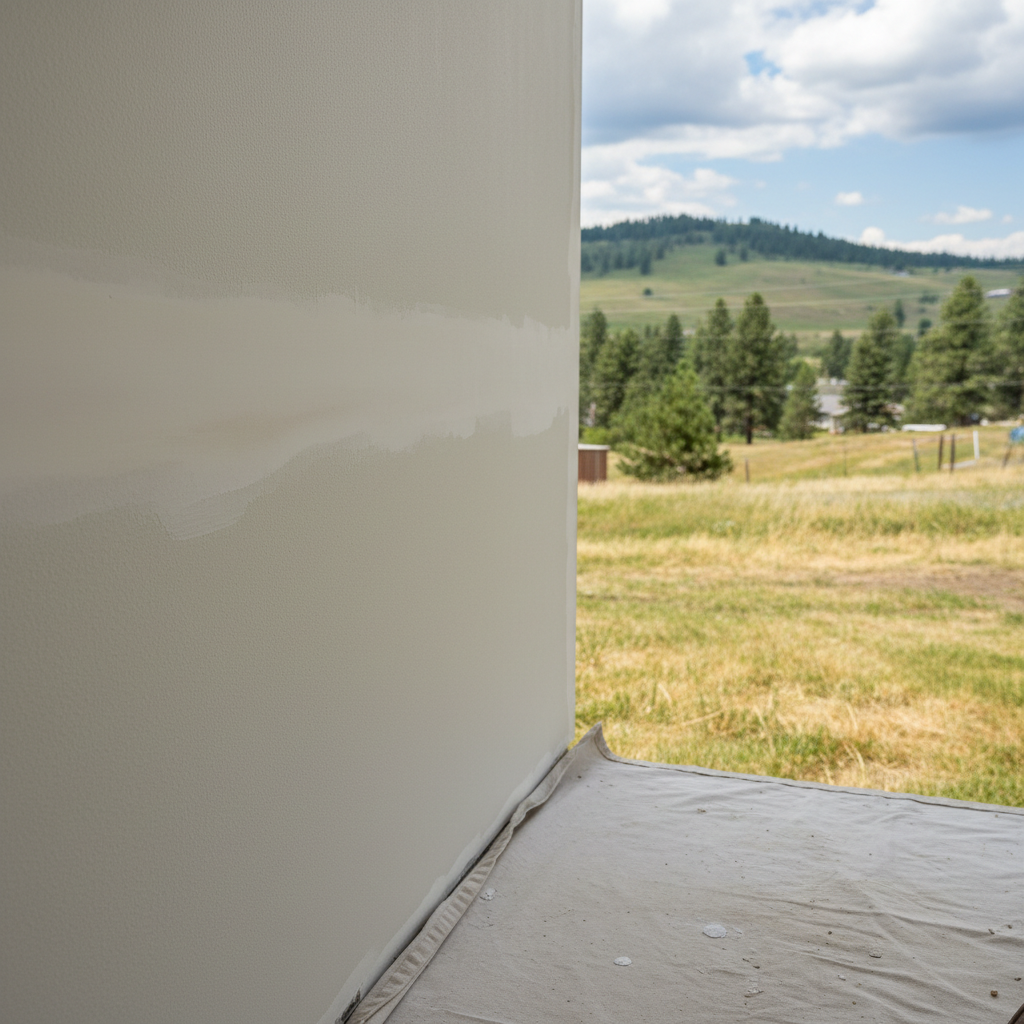
You've got a ding in the wall, maybe a hole from a doorknob, or some cracks around a window frame. Happens all the time. Before you even think about painting, you've got to get that drywall looking good again. So, what's it going to cost you to get those repairs done and then a fresh coat of paint on top?
What Drives the Price Tag?
Lots of things factor into the final bill, and it's not just about the size of the hole. Here's what we look at:
- Damage Type & Severity: A small nail hole is a quick fix. A large hole from a plumbing leak, or extensive water damage that means cutting out and replacing whole sections of drywall, that's a much bigger job. Cracks from settling, especially common in some of the older South Hill homes, also take more time and skill to ensure they don't just reappear.
- Location of Damage: A hole in an easy-to-reach wall is one thing. Damage on a high ceiling, in a tight hallway, or behind a complicated fixture? That adds time and often requires specialized equipment, so the labor cost goes up.
- Texture Matching: Most walls aren't perfectly smooth. We've got orange peel, knockdown, skip trowel – you name it. Matching that texture so it blends seamlessly with the existing wall is an art form. The more complex the texture, the more time and skill it demands.
- Paint Quality & Number of Coats: Are we just touching up a small area, or painting the whole room? Are you going with a basic builder-grade flat paint, or a premium washable satin? Higher quality paints cost more per gallon and often require fewer coats for good coverage, but sometimes a drastic color change still needs extra passes.
- Prep Work Required: Beyond the drywall repair itself, what else needs to happen? Moving furniture, covering floors and fixtures, taping off trim – all that takes time. If there's old wallpaper to remove, that's a whole other beast.
Typical Cost Ranges in Spokane
I know you want numbers, so here's a general idea. Keep in mind these are averages, and every job is unique.
- Small Repairs (Nail holes, minor dings, hairline cracks): For just a few small spots, you might be looking at around $150 - $350. This usually includes patching, sanding, and priming. If you're bundling it with a larger painting project, these small fixes might just be rolled into the overall prep cost.
- Medium Repairs (Holes up to 1-2 sq ft, moderate cracks, corner bead damage): For these, expect to pay roughly $300 - $700 per area. This involves cutting out damaged sections, installing new drywall, taping, mudding multiple coats, sanding, and texture matching.
- Large Repairs (Water damage, large holes 2+ sq ft, extensive ceiling damage): These can easily run from $700 to $2,000+ per area, depending on the complexity and extent. If it's a ceiling, especially with attic access issues, it can climb higher.
- Painting Costs (After Repair): Once the drywall is perfect, then comes the paint. For a typical room (say, 10x12 ft) with standard ceiling height, you're usually looking at $400 - $800 for walls, trim, and ceiling, assuming two coats of quality paint. This price can go up or down based on ceiling height, number of doors/windows, and color changes. For a whole house interior, it's a much larger project and priced per square foot, usually ranging from $2.50 to $5.00+ per square foot of painted surface, depending on all those factors I mentioned above.
So, if you have a medium drywall repair and want that room painted, you could be looking at anywhere from $700 to $1500+ for the whole shebang.
What Should Be in Your Quote?
When Spokane House Painters or any other reputable contractor gives you a quote, it should be clear. Here's what to look for:
- Detailed Description of Repairs: Exactly what areas are being fixed, and what type of repair (patch, skim coat, replacement).
- Materials Included: Drywall, joint compound, tape, primer, paint type and brand, caulk, etc.
- Prep Work: Confirmation of surface cleaning, masking, furniture protection, and any necessary sanding.
- Number of Paint Coats: Typically two coats for walls, often one for ceilings unless there's a significant color change.
- Cleanup: What they'll do to leave your home tidy after the work is done.
- Warranty: A good contractor stands behind their work.
- Total Cost & Payment Schedule: Clear pricing and when payments are due.
How to Avoid Overpaying
Nobody wants to get ripped off. Here's my advice:
- Get Multiple Quotes: Don't just go with the first guy. Get at least three detailed quotes. This helps you understand the market rate and compare apples to apples.
- Be Specific: Clearly explain what you want done. Point out every crack, every hole. The more information you give, the more accurate the quote.
- Check References & Reviews: A contractor's past work speaks volumes. Look for local reviews and ask for references.
- Don't Always Go for the Lowest Bid: The cheapest quote can sometimes mean cut corners, poor quality materials, or hidden costs later on. Value and quality often come at a fair price.
- Ask About Their Experience with Your Type of Damage: If you have extensive water damage, you want someone who's tackled that before, not just small nail holes.
Drywall repair and painting can make a huge difference in how your home looks and feels. Don't put it off because you're worried about the cost. Get some quotes, understand the process, and make an informed decision. You'll be glad you did when your walls look brand new again.